
10 Questions Answered
Inverters
Honest answers from our certified engineers — costs, permits, savings and everything in between.
Questions about solar inverters: Huawei, Growatt, Deye and Victron.
Can I add a battery to my inverter later?
Yes, if you choose a hybrid or battery-ready inverter. Compatibility is specific: the battery must be on the manufacturer’s approved list, match the inverter’s voltage range, communicate with it through its battery management system and run compatible firmware, sometimes with an extra accessory. That is why we plan battery compatibility from day one, even if you install the battery a few years later.
Can I monitor my system from my phone?
Yes. Huawei uses the FusionSolar app, Growatt uses ShinePhone, Deye systems are usually monitored with Solarman, and Victron Energy uses the VRM portal. You can see solar production, home consumption, battery level and grid export in real time. With your permission we can also monitor the system remotely and spot problems early.
Can I replace or upgrade the inverter on my existing solar system?
Usually, yes, without replacing your panels. If your current inverter has failed, is out of warranty or you want to add a battery, we can replace it with a hybrid model sized to your existing array. First we check your panel strings, voltages and grid connection, and we handle the paperwork if the change affects your registered installation.
Can my inverter support a future EV charger?
Usually, yes, if it is planned from the start. The inverter size, your contracted power and your supply (an 11 kW charger needs three-phase) all need to allow for it, and dynamic load balancing stops the charger from overloading your home. Some manufacturers, including Growatt, also make EV chargers that integrate with their monitoring app. Tell us if an electric car is in your plans and we will size the system accordingly.
How long does a solar inverter last, and what warranty do I get?
A quality inverter typically lasts 10 to 15 years. Manufacturer warranties depend on the product family, model and region, and some require product registration. As a guide, Huawei and Growatt residential hybrid inverters commonly come with around 10 years, Victron Energy products with 5 years, and Deye between 5 and 10 years depending on model and distributor. We confirm the exact terms in your quote. Separately, KiDi Solar gives a 5-year warranty on our installation work.
Single-phase or three-phase: how do I know what my home needs?
Your electricity bill or contract states whether your supply is monofásica (single-phase) or trifásica (three-phase). Many larger villas with pools, heat pumps or EV chargers are three-phase. The distribution board alone is not proof, as some older properties have unusual arrangements, so the supply should be inspected by a qualified installer. The inverter must match your grid configuration; we check this for free during the survey.
What is the difference between battery capacity and backup power?
Battery capacity, in kilowatt-hours (kWh), is how much energy is stored. Backup power, in kilowatts (kW), is how much the system can deliver at the same moment, and it is limited by the inverter’s backup output. For example, a 16 kWh battery behind an inverter with 5 kW of backup output can run up to 5 kW of appliances for roughly three hours, not 16 kW at once. We size both to the circuits you want to keep running.
Which inverter brand is best for a villa on the Costa del Sol?
No single brand is best for every home: it depends on your consumption, single- or three-phase supply, the size of your solar array, your battery and backup needs and your budget. As a guide, Huawei suits owners who want a premium, smart all-in-one system; Growatt offers excellent value and covers large three-phase villas with its WIT series; Deye is strong on backup power and battery flexibility; and Victron Energy suits off-grid fincas and homes that cannot afford outages. After a free survey we recommend the system that fits your property.
Which inverter is best for a coastal home exposed to heat and salt air?
The location matters as much as the brand. Any inverter loses output when it overheats, so we install it out of direct sun with the manufacturer’s clearances, in a ventilated space. Near the sea we choose sheltered spots and corrosion-resistant fixings, because an IP65 or IP66 rating protects against dust and water, not specifically against salt. All four brands we install can work well on the coast when they are installed correctly.
Will my solar system keep working during a power cut?
Not automatically. A grid-connected system switches off during an outage for safety. To keep power during a blackout you need a hybrid inverter with its backup (EPS) function enabled, a compatible battery, approved backup switching equipment and usually a separate backup board for your essential circuits, all correctly configured. Only the circuits within the inverter’s backup output can run, and most systems take a short moment to switch over.
No questions found. Try another search.
Still have questions?
Our team replies within 2 hours. Free consultation, no obligation.
Our Team
Meet the People Behind Every Installation
Our certified engineers, sales professionals and installers have completed 330+ projects across Costa del Sol since 2022.
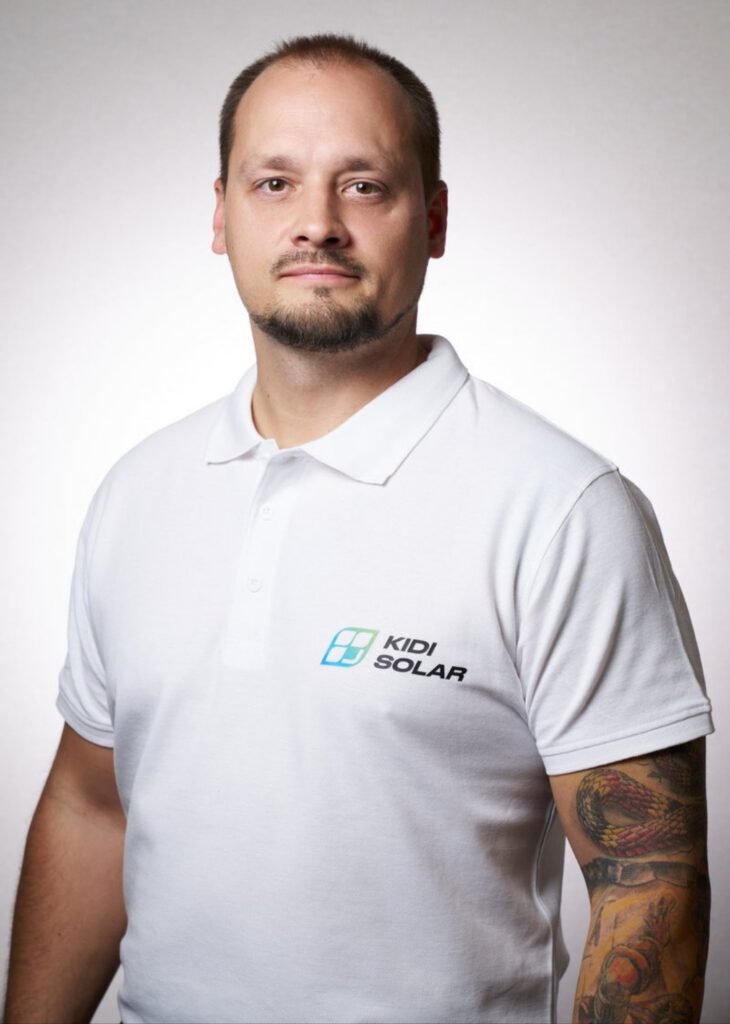
Kiril Sokol
CEO
Business strategy, solar project development & client solutions.
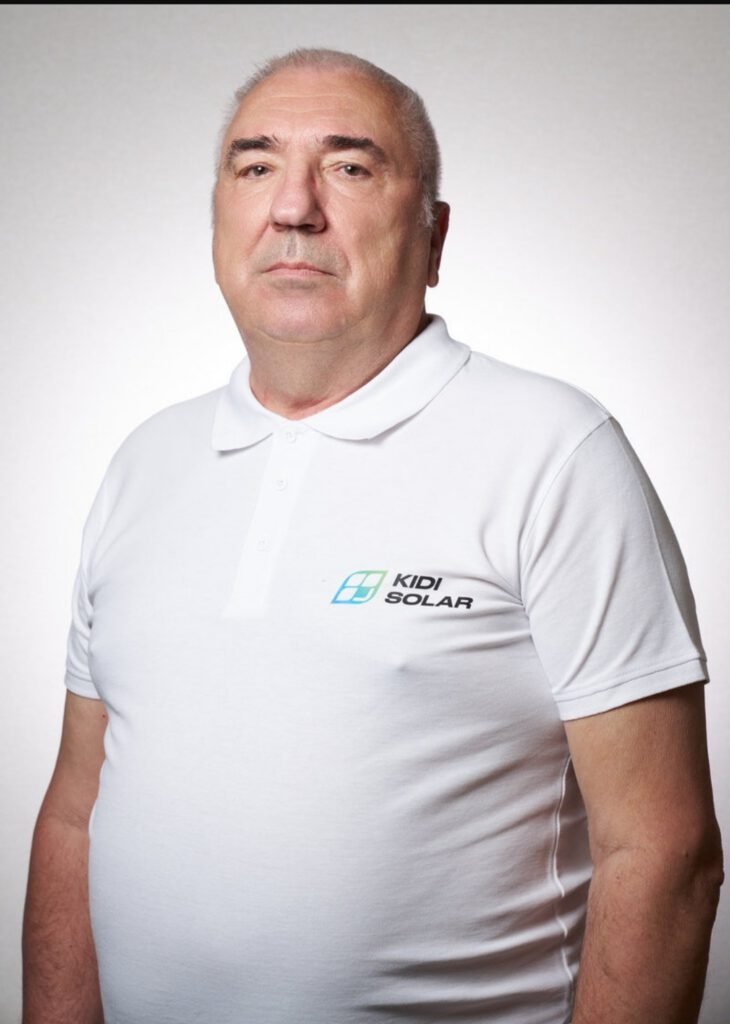
George
CTO
Solar engineering, system design & technical project management.
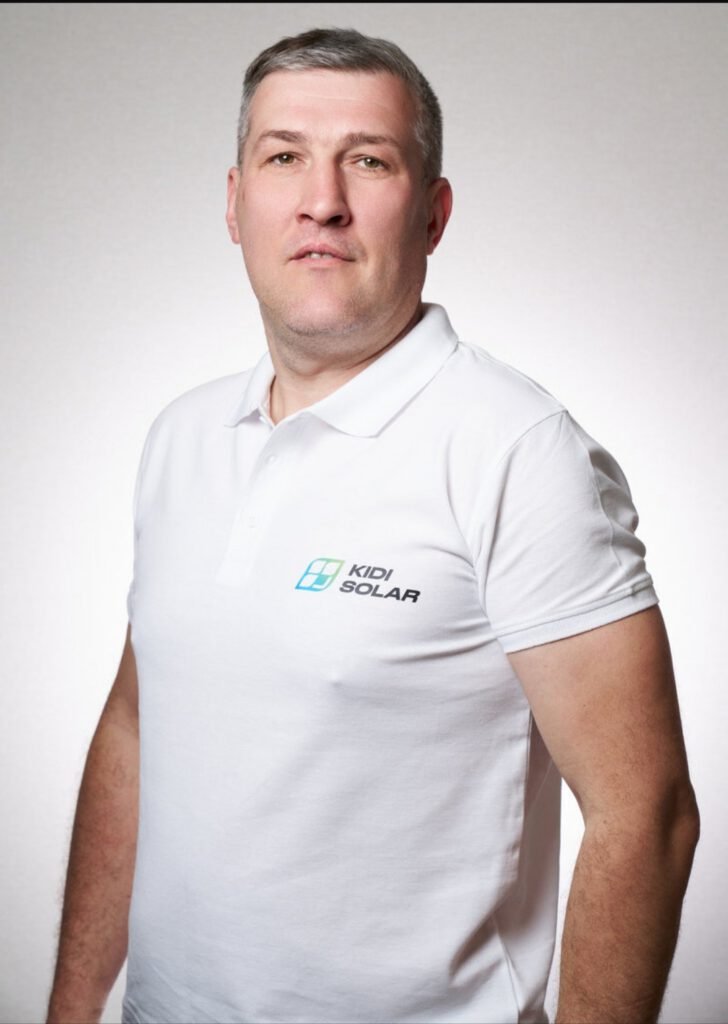
Alex
Lead Engineer
Electrical installation, commissioning & system performance.
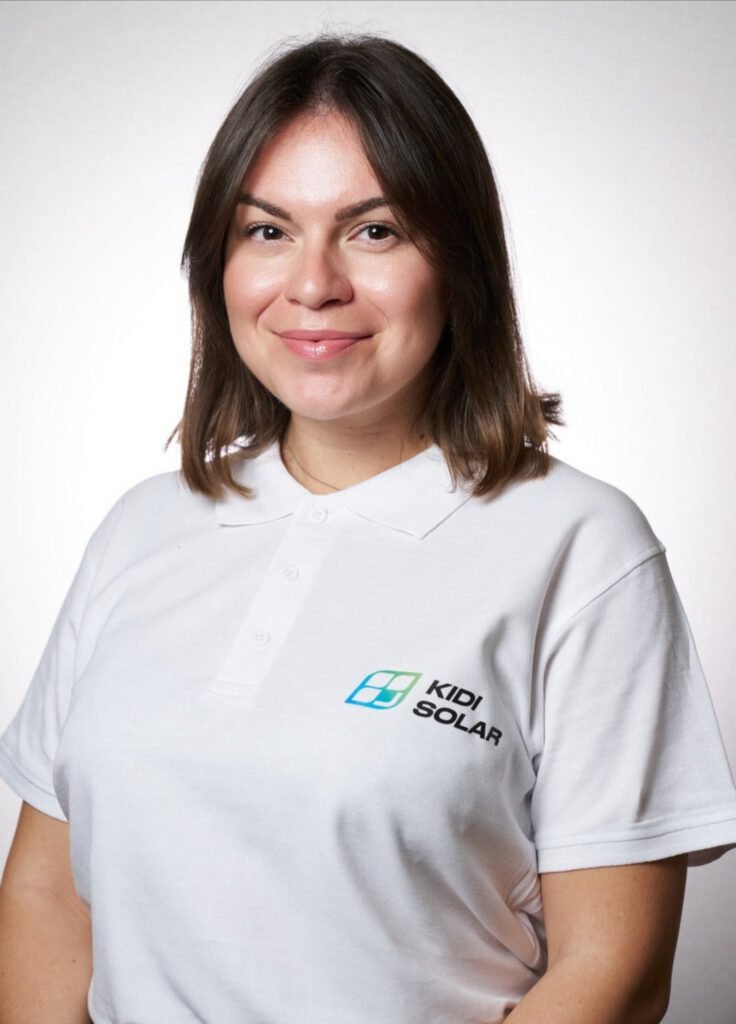
Alina
Sales Manager
Client consultation, project coordination & customer support.
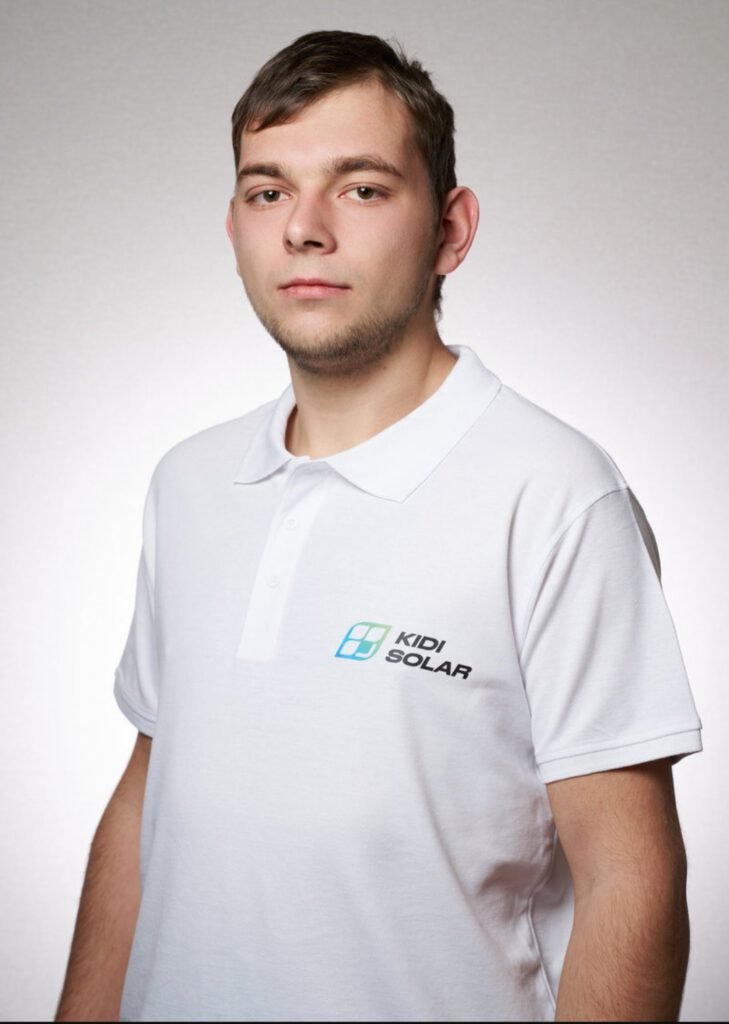
Sviatoslav
Senior Installer
Solar PV installation, mounting systems & on-site execution.
Schedule a free solar consultation with our certified team. We design, install, and maintain high-performance solar systems for homes and businesses across the Costa del Sol.
Real Customer Reviews
What Our Clients Say
★★★★★ 5.0 / 5
Based on 91 Google reviews for Kidi Solar, Marbella